OEM / ODM Solar Lighting Manufacturer

Solar Street Light Manufacturer

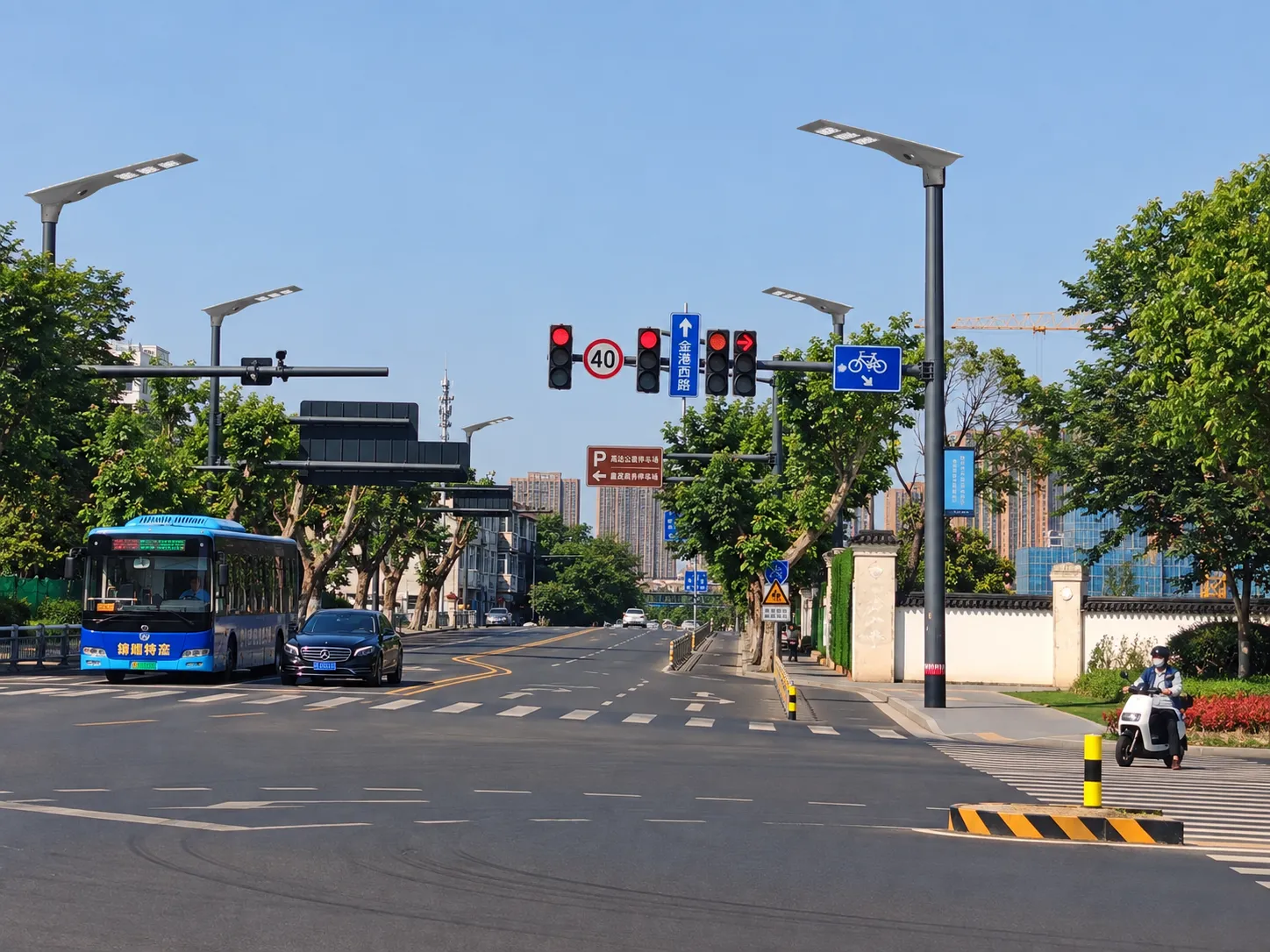
Green Lighting manufactures solar street lights for municipal roads, highways, residential communities, industrial parks and off-grid infrastructure projects. We configure the LED luminaire, LiFePO4 battery, solar panel, controller and pole around your road width, installation height, required illuminance, local solar radiation and expected backup time.

Solar Street Light Types

Choose an integrated, semi-integrated or split solar street light according to project power requirements, installation environment, maintenance strategy and solar-panel orientation.

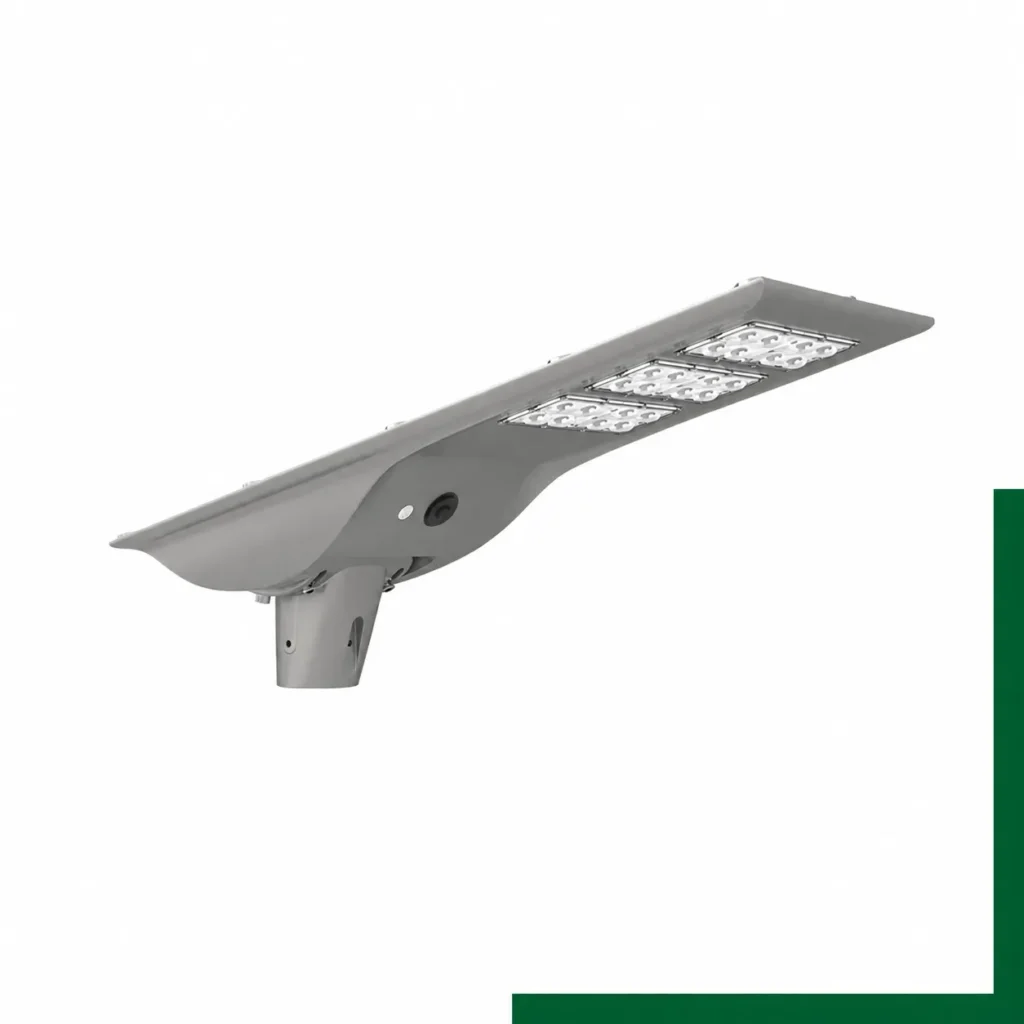
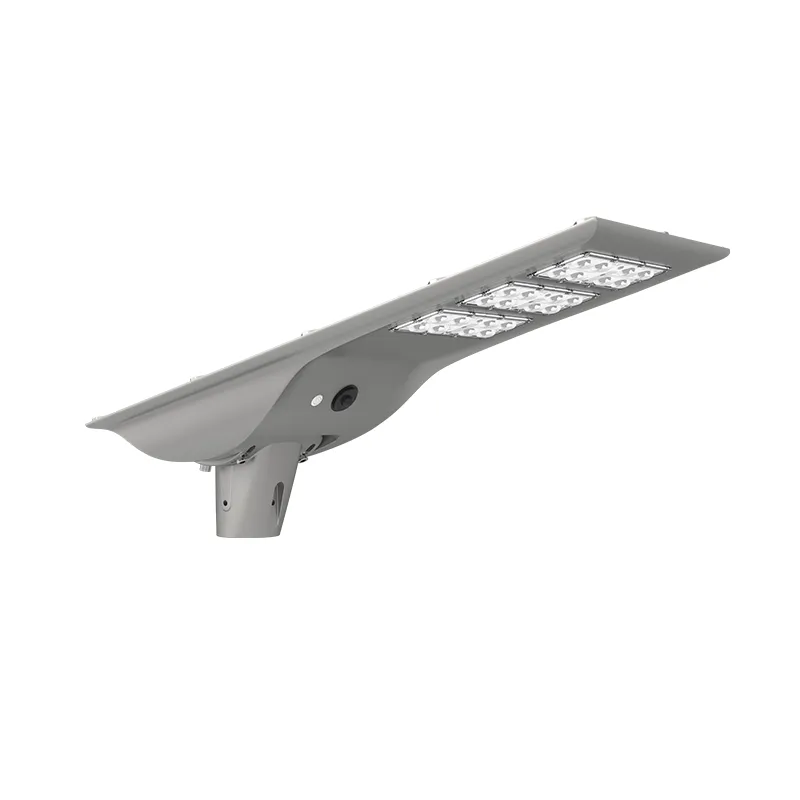
All-in-One Solar Street Lights

Solar panel, battery, controller and LED luminaire are integrated into a compact fixture for fast installation and simplified maintenance.

All-in-One Solar Street Lights

Solar panel, battery, controller and LED luminaire are integrated into a compact fixture for fast installation and simplified maintenance.

All-in-One Solar Street Lights

Solar panel, battery, controller and LED luminaire are integrated into a compact fixture for fast installation and simplified maintenance.

All-in-One Solar Street Lights

Solar panel, battery, controller and LED luminaire are integrated into a compact fixture for fast installation and simplified maintenance.

All-in-One Solar Street Lights

Solar panel, battery, controller and LED luminaire are integrated into a compact fixture for fast installation and simplified maintenance.

All-in-One Solar Street Lights

Solar panel, battery, controller and LED luminaire are integrated into a compact fixture for fast installation and simplified maintenance.

Selection Guide

How to Choose the Right Solar Street Light

Solar street lights should be selected according to road conditions, required illuminance, local solar radiation, operating hours and expected autonomy rather than LED wattage alone.

Application Typical Power Pole Height Recommended Type Main Consideration
Garden / Pathway 20–40W 3–5m All-in-One Compact installation and moderate illumination
Residential Road 40–80W 5–7m All-in-One / All-in-Two Comfortable illumination and energy management
Village Road 60–100W 6–8m All-in-Two Off-grid operation and easy maintenance
Urban Road 80–150W 7–10m Split Solar Street Light Road width, uniformity and pole spacing
Highway 120–200W 9–12m Split Solar Street Light High lumen output and optical distribution
Industrial Area 80–150W 7–10m Smart / Split Long operating hours and security lighting

System Engineering

Understanding a Solar Street Light System

A solar street light is a complete energy and lighting system. Performance depends on how the luminaire, battery, solar panel, controller, pole and optical system are matched together.

01

LED Luminaire

LED efficiency, optical distribution and thermal management determine usable road illumination.

02

Solar Panel

Panel output is calculated according to daily energy consumption and local peak-sun hours.

03

LiFePO4 Battery

Battery capacity determines nightly operating time and autonomy during low-sunlight conditions.

04

Solar Controller

Manages charging, discharging, dimming schedules and system protection.

05

Lighting Optics

Lens selection helps match roadway width, pole height and required lighting uniformity.

06

Pole & Bracket

Pole height, arm angle, foundation and wind-load design affect installation safety and coverage.

OEM / ODM

Custom Solar Street Light Engineering

We can adapt an existing solar street light platform or configure a project-specific system according to mechanical, electrical, optical and environmental requirements.

LED Power

20W–200W configurations can be selected according to target road illumination.

Battery Capacity

Battery sizing based on lighting hours, dimming strategy and required rainy-day backup.

Solar Panel

Panel wattage and mounting angle configured around local solar radiation.

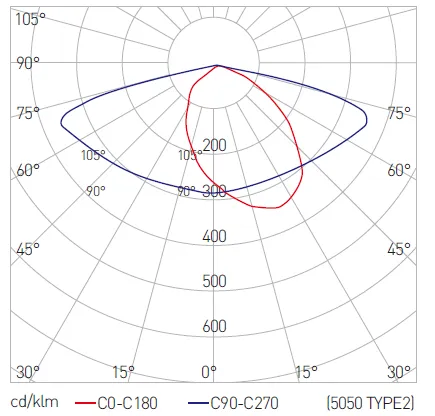
Optical Distribution

Lens options can be matched to road width, pole spacing and lighting-uniformity targets.

Color Temperature

Typical options include 3000K, 4000K, 5000K, 5700K and 6500K.

Smart Control

PIR sensing, scheduled dimming, remote control and IoT monitoring can be configured.

Street Light Pole

Pole height, thickness, arm length, galvanization and wind-load requirements can be customized.

Branding & Packaging

Product appearance, logo, labeling and export packaging can be developed for OEM programs.

Engineering Capabilities

From Optical Simulation to Production-Ready Engineering

Every lighting product is engineered and validated in-house before it reaches the production line. This helps shorten development cycles, reduce technical risk, and give customers a clearer understanding of product performance before mass production.

ENGINEERING SYSTEM In-House R&D Capability
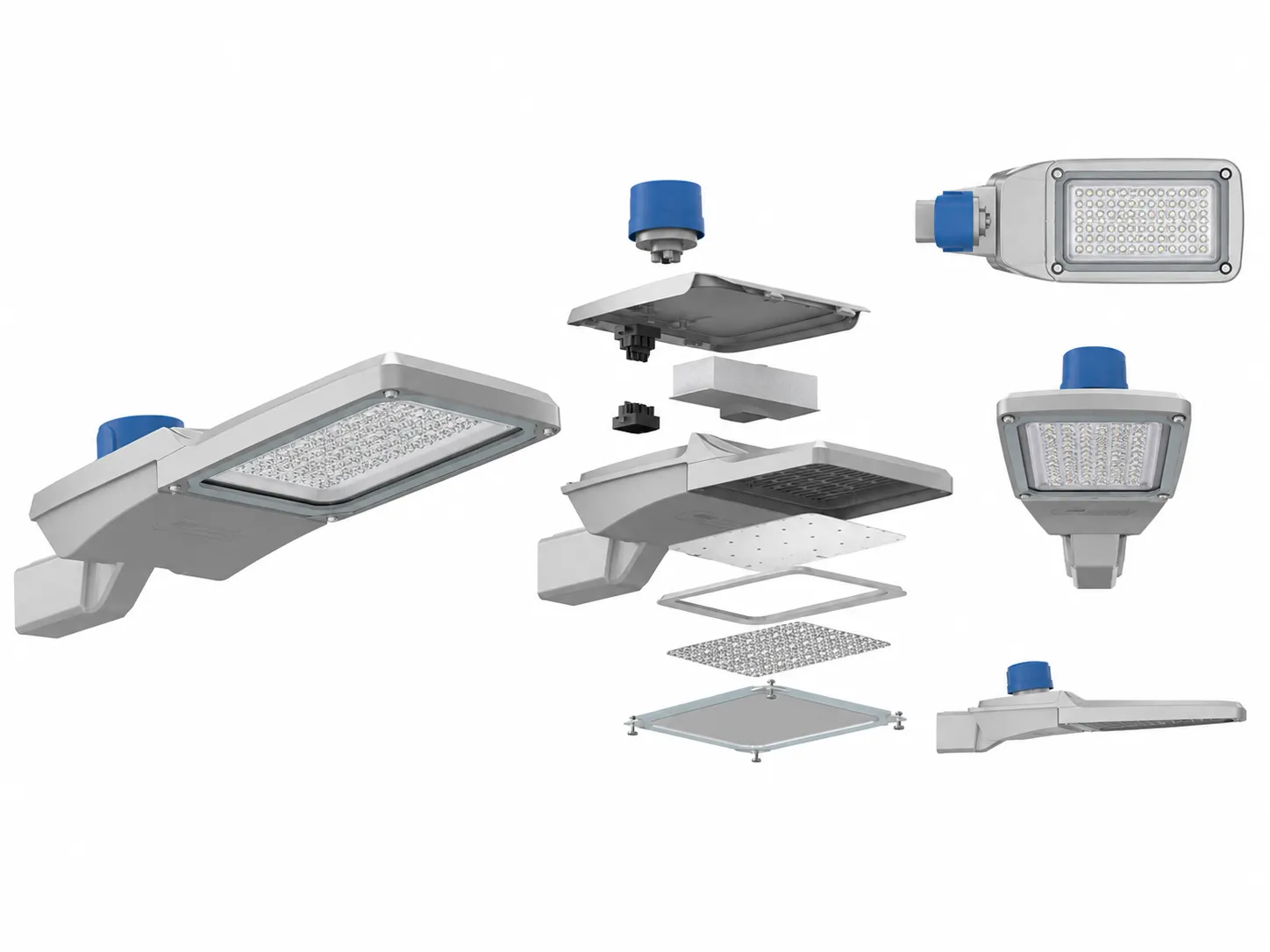
3D simulation design for LED street lights
CAD / 3D MODELING 01 / 05

3D Simulation Design

Complete 3D modeling is used to verify mechanical structure, installation space, component fit and functional details before production, helping reduce development risk and shorten the product development cycle.
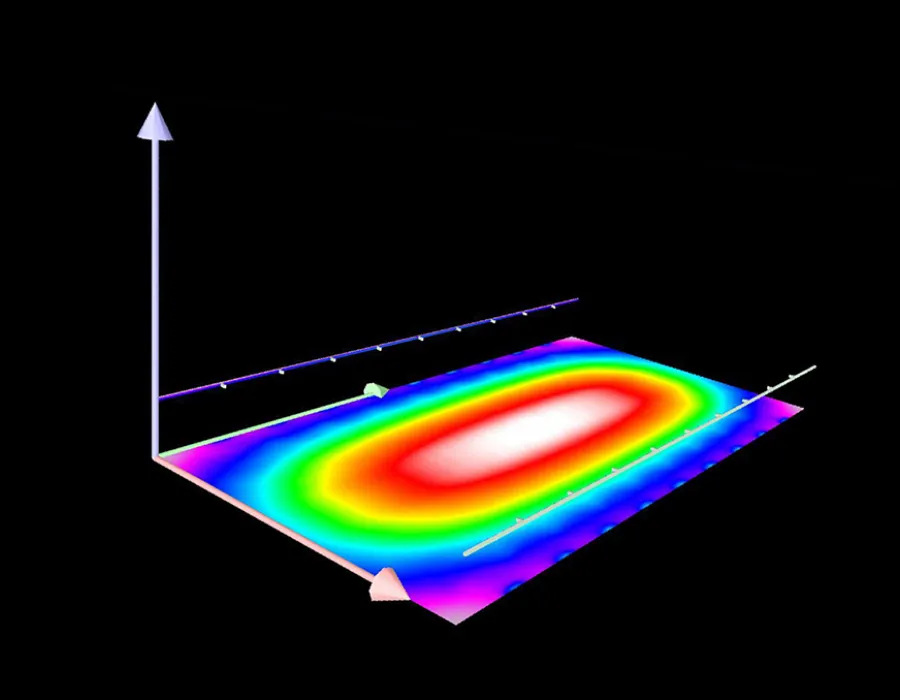
DIALux optical simulation for road lighting projects
DIALUX 02 / 05

DIALux Optical Design

Professional lighting simulations verify illuminance, uniformity and road lighting performance before installation.

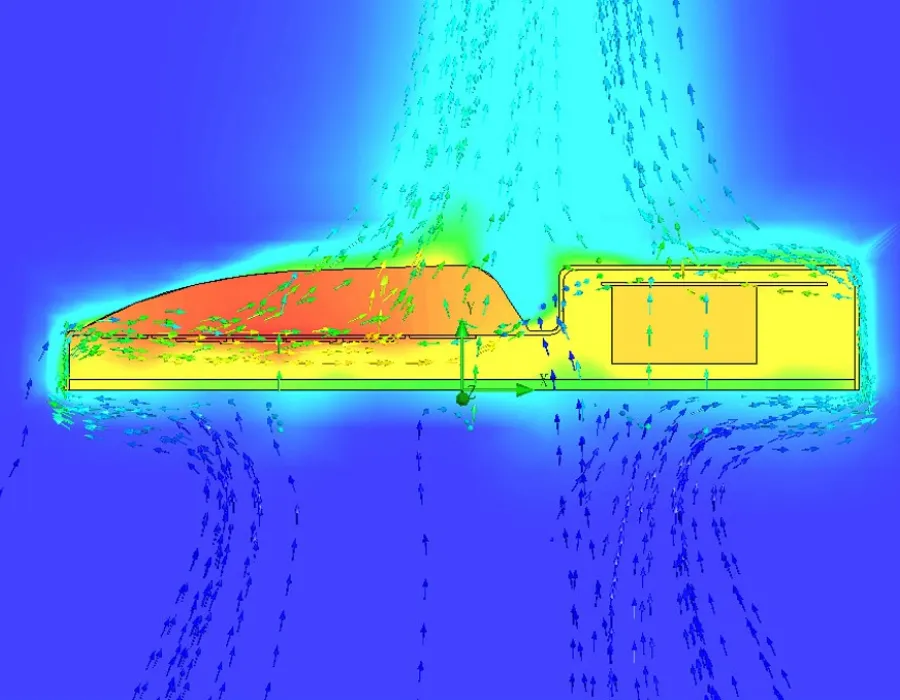
Thermal simulation and heat dissipation design for LED street lights
THERMAL 03 / 05

Thermal Simulation

Thermal analysis evaluates heat distribution across LEDs, drivers and housings to optimize heat dissipation and service life.

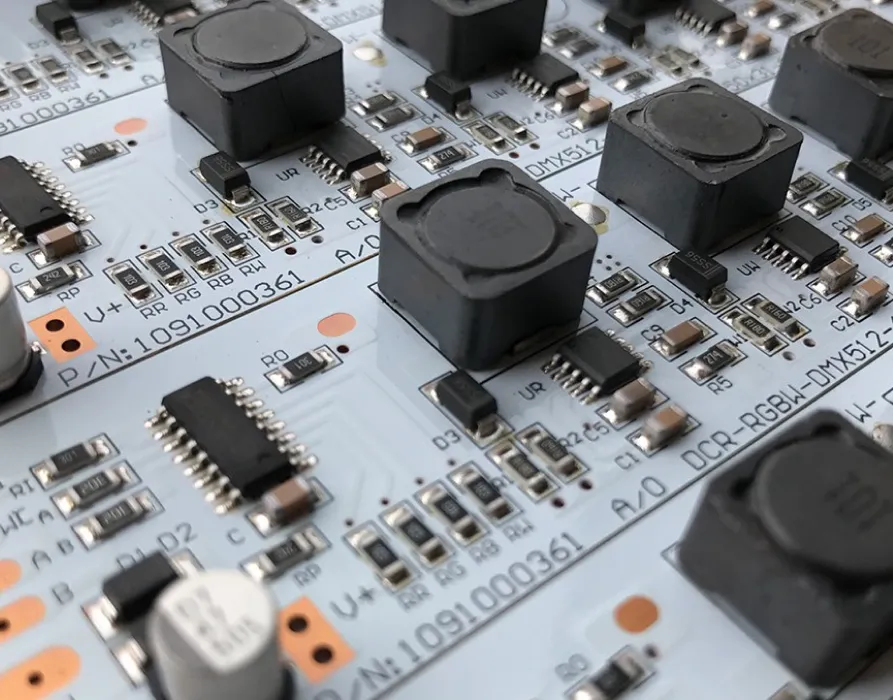
LED circuit and driver engineering design
PCB / DRIVER 04 / 05

Circuit & Driver Design

Customized electronic solutions are developed for surge protection, dimming, smart controls and project-specific electrical requirements.

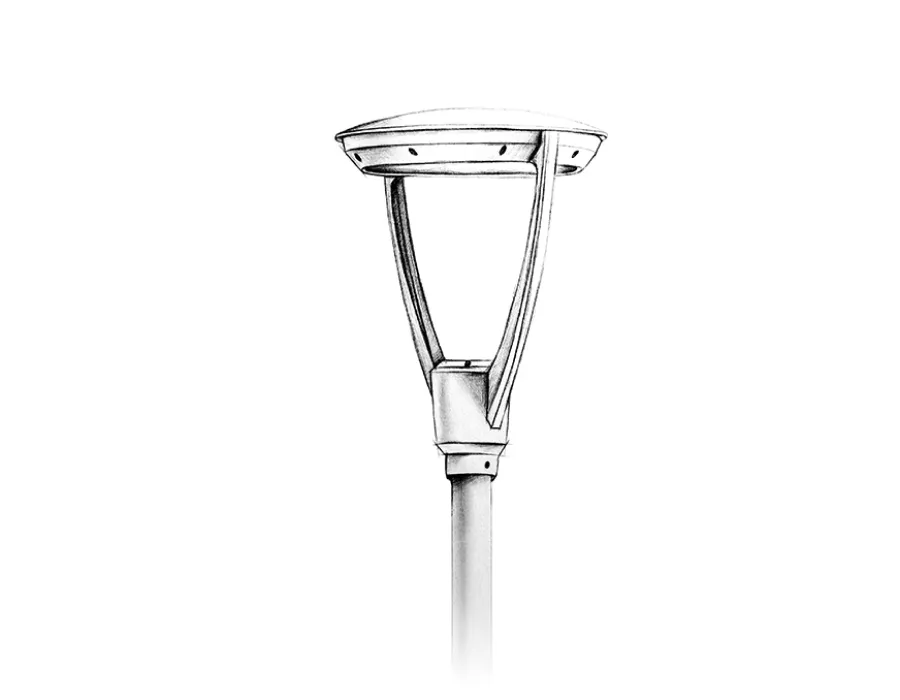
Industrial design and product development for LED street lights
INDUSTRIAL DESIGN 05 / 05

Industrial Design

From concept sketches and structural development to prototype validation, ideas are transformed into practical, manufacturable lighting products.

Development Flow

From market requirements to validated mass production

01 Market Research
02 3D Modeling
03 Optical Simulation
04 Thermal Analysis
05 Structural Strength Simulation
06 Mold Development
07 Sample Validation
08 Pilot Production Validation
09 Mass Production

Lighting Simulation

Road Lighting Simulation Before Production

For roadway projects, lighting simulation helps verify whether the proposed fixture, pole height, spacing and optical distribution can achieve the required lighting level before installation.

  • Road width and lane configuration
  • Pole height and installation angle
  • Pole spacing
  • Average illuminance
  • Lighting uniformity
  • Optical distribution
Road lighting simulation for solar street light project

Applications

Solar Street Lighting for Different Projects

Solar lighting configurations can be adapted to different road classes, operating schedules, environmental conditions and infrastructure requirements.

Highways

High-output road lighting with controlled optical distribution, large pole spacing and structural wind resistance.

Municipal Roads

Stable illumination, long service life and reduced dependence on grid infrastructure.

Rural Roads

Independent off-grid lighting for remote roads where trenching and grid connection are difficult or expensive.

Residential Communities

Comfortable lighting with configurable dimming schedules and low maintenance requirements.

Industrial Parks

Long operating hours, security illumination and smart-control options for industrial facilities.

Parking Areas

Wide-area illumination with independent power supply and optional motion-based energy saving.

Manufacturing

Solar Street Light Manufacturing Process

Production control covers the luminaire, battery, solar panel, controller and final integrated system to improve consistency across project quantities.

01. Material Inspection

Incoming components are checked against production requirements.

02. LED Assembly

LED modules and thermal interfaces are assembled and inspected.

03. Battery Assembly

Battery packs are configured according to project energy requirements.

04. Controller Setup

Charging and dimming profiles are programmed for the target application.

05. System Integration

Luminaire, controller and energy components are integrated into the system.

06. Waterproof Assembly

Enclosures, seals and cable interfaces are assembled for outdoor service.

07. Aging Test

Finished lighting systems undergo operating and stability checks.

08. Final Inspection

Appearance, function, electrical performance and packing are verified.

Quality Control

Solar Street Light Testing

Testing should verify both individual components and the integrated solar-lighting system before products are released for shipment.

Photometric Testing

Luminous output, color temperature and light-distribution performance are evaluated.

Battery Testing

Battery capacity, charging and discharging performance are verified against project requirements.

Solar Panel Testing

Panel voltage, current and output performance are checked before assembly.

Waterproof Testing

Outdoor sealing and enclosure protection are tested according to the applicable product requirement.

Aging Testing

Completed fixtures operate continuously to identify electrical or thermal instability.

Environmental Testing

Temperature, weather resistance and structural requirements can be verified according to the project specification.

Manufacturer Capability

Why Source Solar Street Lights from YOUR BRAND?

We approach solar street lighting as a complete roadway-lighting and energy system rather than selecting products by nominal wattage alone.

Project-Based Lighting Design

Product configuration starts from road width, pole layout, required illuminance and local installation conditions.

Complete Solar Lighting System

LED luminaire, battery, panel, controller, bracket and pole can be matched as one system.

Lighting Simulation Support

Road-lighting simulations help evaluate illumination and uniformity before project installation.

Solar & Battery Calculation

Energy storage and generation are configured around operating hours, peak-sun hours and required autonomy.

OEM / ODM Manufacturing

Housing, power, controls, battery configuration, branding and packaging can be adapted for project and brand requirements.

Production Quality Control

Component inspection, assembly testing, aging and final inspection support repeatable batch performance.

Project Experience

Solar Street Light Project Case

Use real project data here whenever possible. A technical case study provides stronger evidence than a simple installation photo.

120W solar street lights for a municipal road project

120W Solar Street Lights for a Municipal Road Project

Road Width: 8 m
Pole Height: 8 m
Pole Distance: 28 m
LED Power: 120 W
Battery: Custom LiFePO4
Solar Panel: Project Configured

The project required reliable off-grid road lighting with sufficient nighttime operation and backup capacity during periods of limited sunlight. The lighting system was configured according to local solar radiation, road dimensions and the customer's lighting schedule.

Replace this demonstration content with actual project location, lighting simulation results, average lux, uniformity, quantity and installation photos.

FAQ

Solar Street Light FAQ

Common engineering and purchasing questions for solar street lighting projects.

How do I choose the right wattage for a solar street light?
Wattage should not be selected independently. Road width, pole height, pole spacing, required illuminance, optical distribution and LED efficiency should be evaluated together. For project applications, a lighting simulation is recommended before the final power level is confirmed.
How many hours can a solar street light operate each night?
The operating time depends on battery capacity, LED power, controller settings and the selected dimming schedule. Systems can typically be configured for full-night operation with different power levels at different periods of the night.
How many rainy days can a solar street light support?
Backup time is determined by battery capacity, daily energy consumption and local solar conditions. Project systems can be configured around the required number of autonomous or low-sunlight days.
What is the difference between all-in-one and split solar street lights?
All-in-one systems integrate the main solar-lighting components into a compact fixture for simplified installation. Split systems separate the solar panel, battery and luminaire, providing greater flexibility for high-power projects and solar-panel orientation.
What type of battery is used in solar street lights?
LiFePO4 batteries are commonly used because of their cycle life, thermal stability and suitability for repeated charging and discharging. Battery specification should still be matched to the local climate and project duty cycle.
How do you calculate the required solar panel size?
Solar-panel capacity is calculated from daily energy consumption, system efficiency, available peak-sun hours and the charging margin required to restore battery capacity after nighttime use.
What pole height is suitable for solar street lights?
Typical pole heights range from approximately 3 to 12 meters, depending on road width, luminaire output, optical distribution and target illumination. Pole spacing must also be evaluated together with the installation height.
How far apart should solar street lights be installed?
There is no single fixed spacing. Pole distance depends on pole height, roadway width, fixture lumen output, optical distribution and the required lighting uniformity. Lighting simulation provides a more reliable spacing recommendation.
Can you provide lighting simulations for road projects?
Yes. Based on the project data provided, lighting simulations can be prepared to evaluate pole height, spacing, average illumination, uniformity and suitable fixture configuration before production.
Can solar street lights work in areas with limited sunlight?
Yes, but the system must be configured around the actual solar resource. Larger solar panels, increased battery capacity and optimized nighttime dimming may be required in areas with lower daily solar radiation.
Can you customize solar street lights for municipal projects?
Yes. LED power, solar-panel capacity, battery size, lighting distribution, controller program, pole height, appearance, branding and packaging can be adjusted according to municipal or tender specifications.

Technical Guides

Solar Street Light Guides

Supporting resources for product selection, engineering and project planning.

Selection Guide

How to Choose a Solar Street Light

Learn which project parameters should be evaluated before selecting LED power, battery and solar-panel capacity.

Read Guide →
Comparison

All-in-One vs Split Solar Street Lights

Compare structure, installation, power capability and maintenance considerations.

Read Guide →
Engineering

Solar Street Light Battery Capacity Calculation

Understand how operating hours, LED power and rainy-day backup affect battery sizing.

Read Guide →
Installation

Solar Street Light Pole Height Guide

How road width, pole height and optical distribution influence installation design.

Read Guide →
Road Lighting

How Far Apart Should Solar Street Lights Be?

Understand the relationship between pole spacing, illumination and lighting uniformity.

Read Guide →
Components

LiFePO4 Batteries for Solar Street Lights

Learn why battery chemistry, cycle life and thermal performance matter in outdoor solar lighting.

Read Guide →

Get a Solar Street Light Proposal for Your Project

Send us the basic road and project conditions. Our engineering team can recommend the suitable luminaire, battery, solar panel, controller, pole and lighting configuration.

  • Project Country / Location
  • Road Width
  • Road Length
  • Pole Height
  • Pole Spacing
  • Required Lux
  • Lighting Hours
  • Rainy-Day Backup
  • Project Quantity
  • Special Tender Requirements

Request a Quotation

Contact Form Demo
滚动至顶部